Ritz Carlton Reserve
Confidential project in Saudi Arabia
The Challenge
Within the emerging NEOM region, the brief was to develop three distinct F&B concepts for a Ritz-Carlton Reserve property that would reflect Saudi heritage while positioning the destination at the forefront of global luxury hospitality.
Working alongside the F&B consultant, the task was to translate culinary narratives into spatial experiences — ensuring each venue had a clear identity, operational logic, and architectural language. The challenge was to balance cultural authenticity with contemporary design, aligning brand standards, guest expectations, and the forward-looking vision of the NEOM masterplan.
Image credits: Wael Mashini
Project type - Hospitality F&B
Location - Neom, Saudi Arabia
Client - H Hospitality
Year - 2024
Scope - Concept Development | Interior Architecture
Role - Design Lead


The Result
Three differentiated restaurant environments were developed, each anchored in a distinct narrative representing the cultural past heritage, present and forward-looking future.
Past – Open Fire Dining
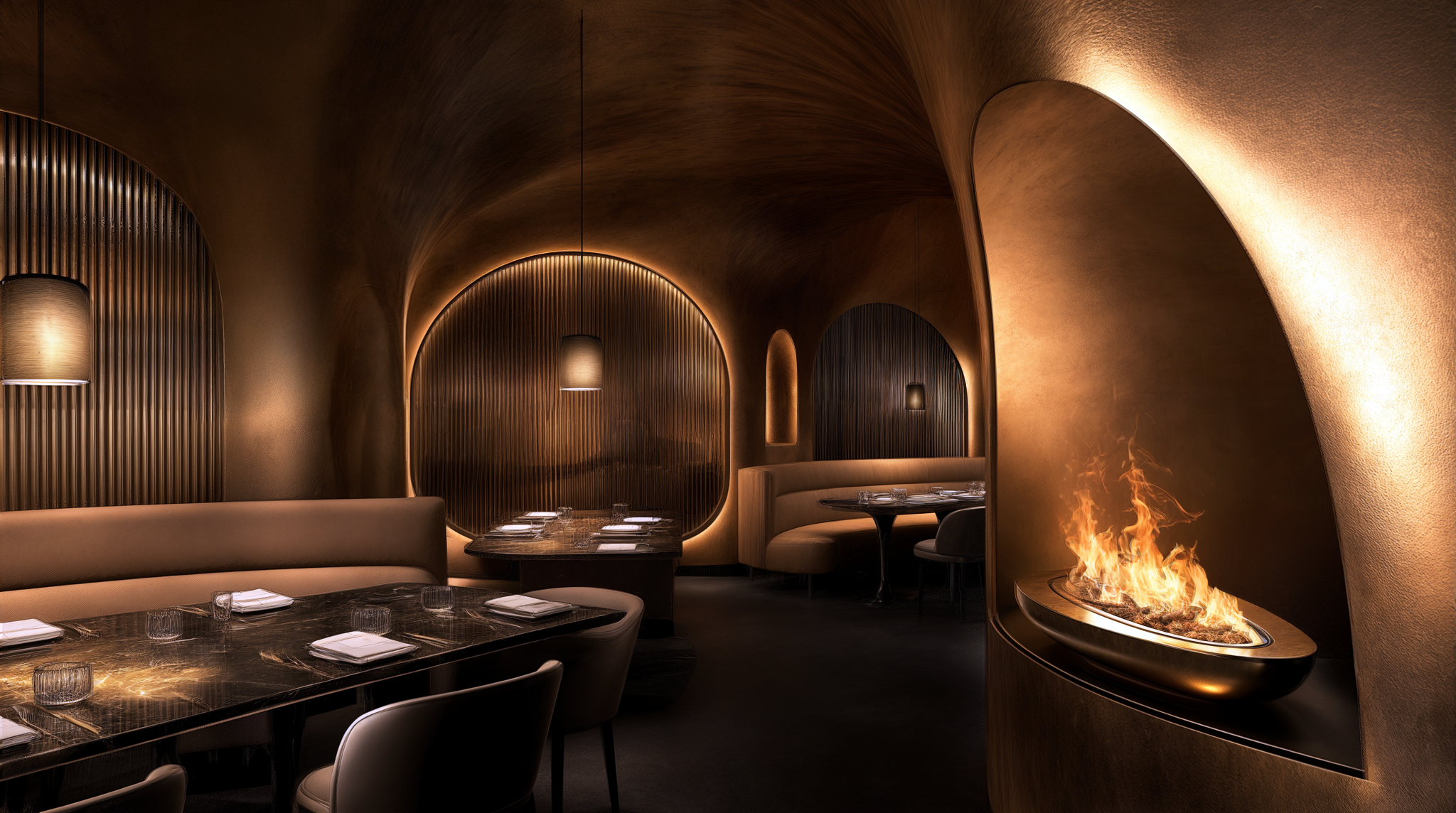
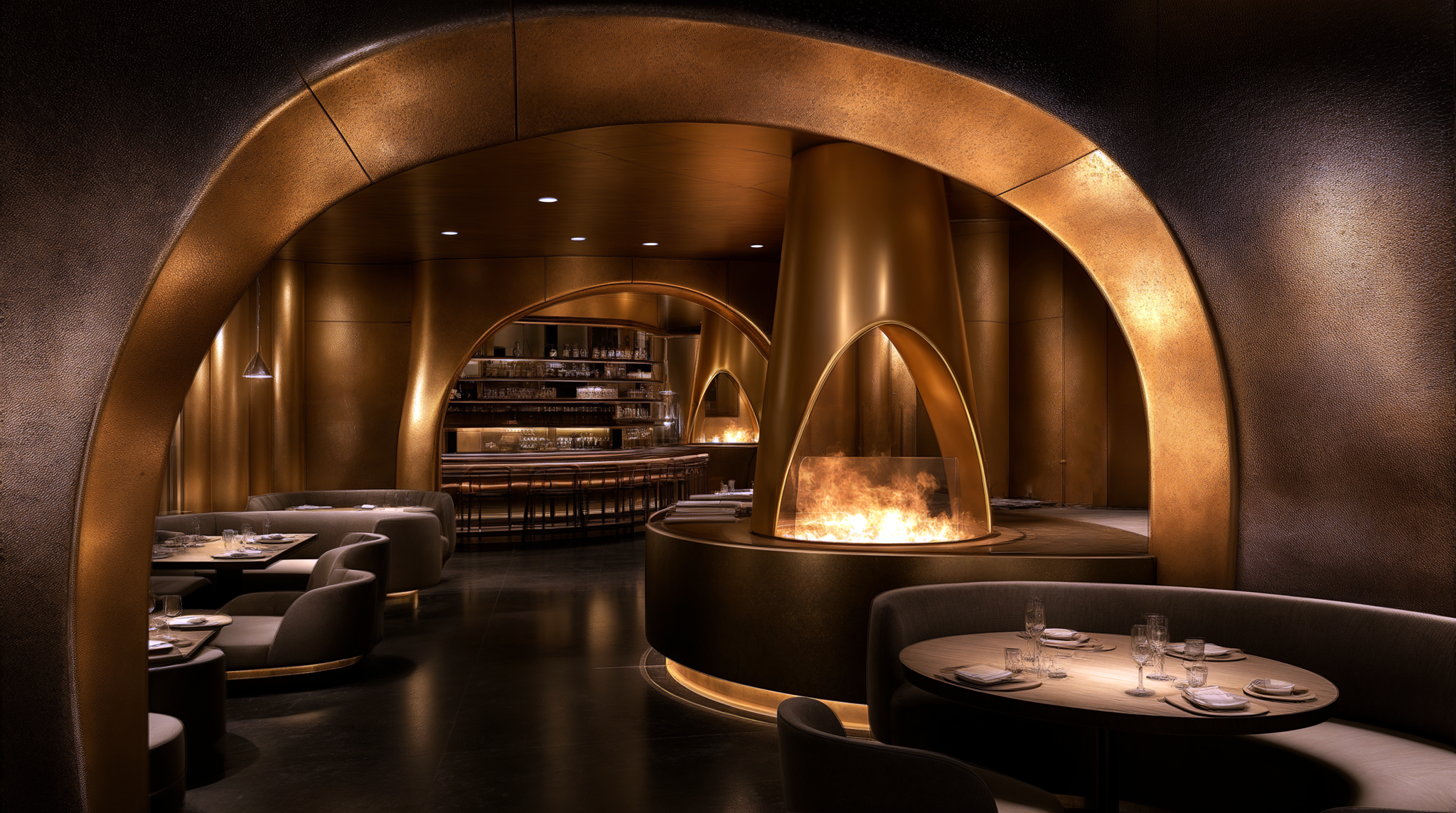
The fire-based concept draws from nomadic cooking traditions, incorporating raw stone, rammed-earth surfaces, and a central open-fire kitchen as the spatial and experiential focal point.
Present – Casual Elevated Dining
The health and longevity all-day dining venue integrates biophilic principles, soft natural materials, and open spatial planning to support wellness-focused programming and daylight-driven dining.
Future – Modern Saudi Dining
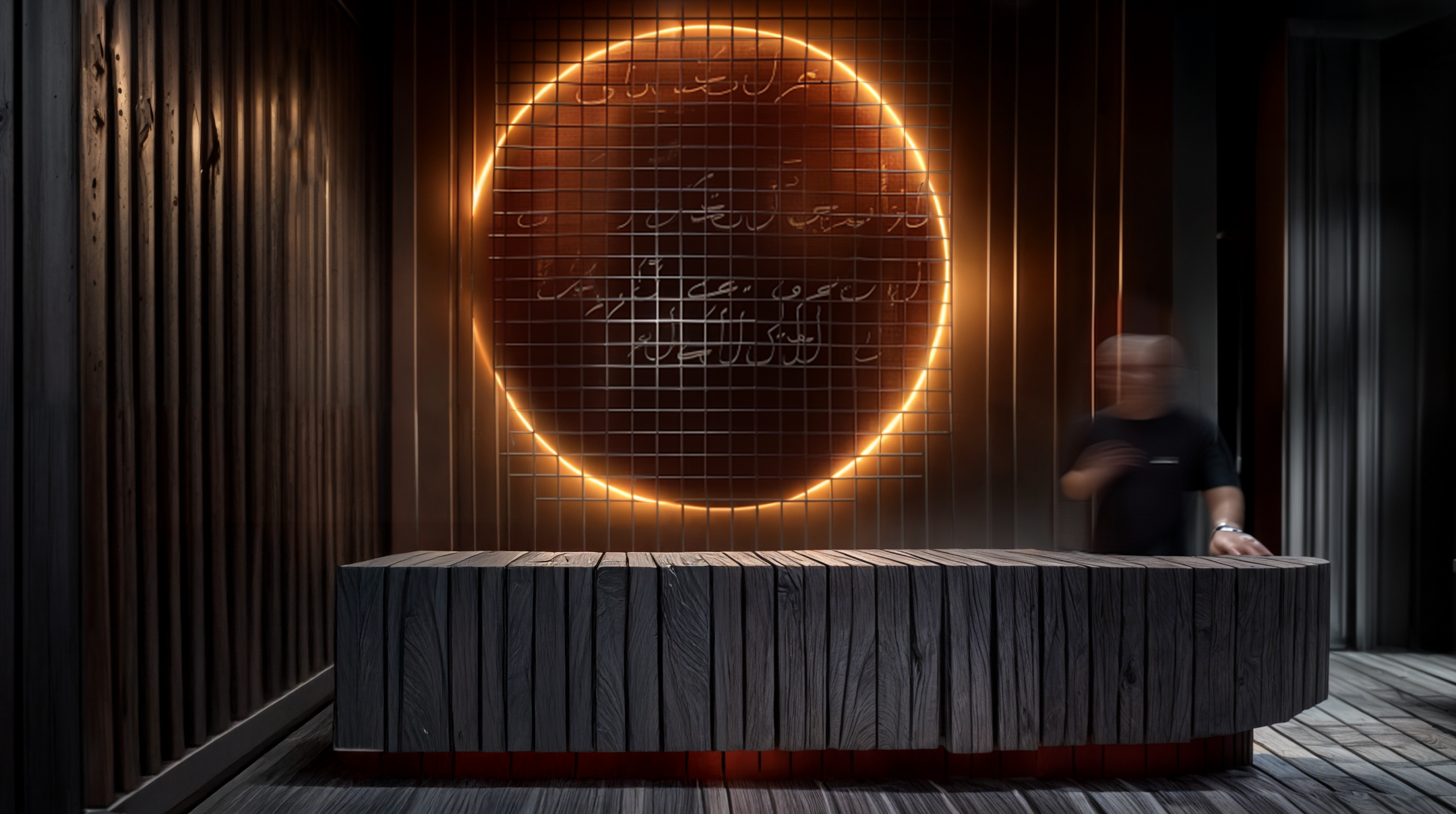
The contemporary Saudi restaurant reinterprets local craftsmanship through refined detailing, layered textures, and 3D-printed architectural screening elements inspired by Mashrabiya patterns.
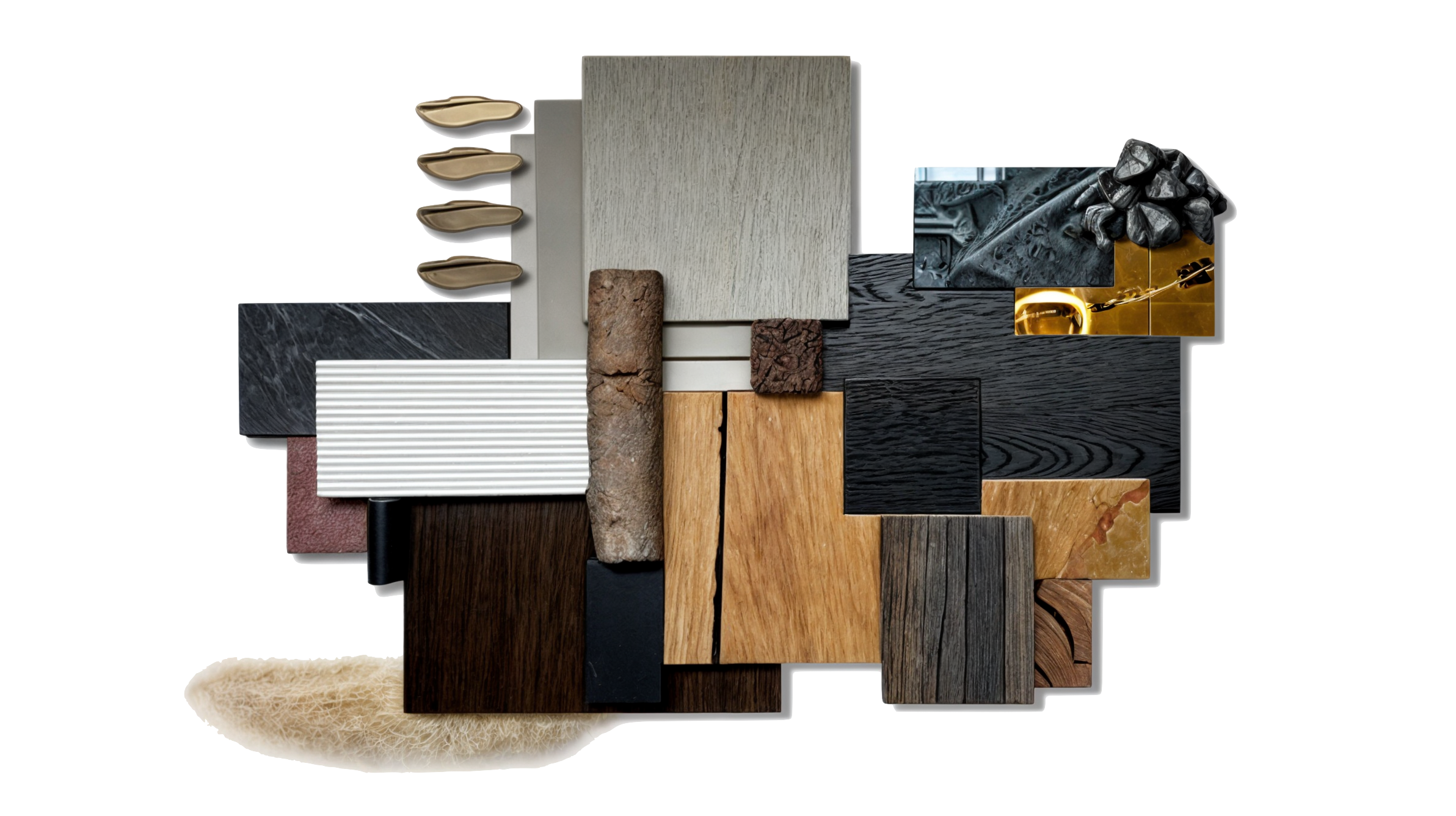
Across all three venues, spatial sequencing, material expression, and lighting were carefully calibrated to ensure each concept felt immersive yet cohesive within the broader resort framework.
Narrative-Led Spatial Concepts: Three distinct restaurant identities were developed from culinary narratives — contemporary Saudi, wellness-focused dining, and nomadic fire cuisine — each expressed through differentiated architectural language.
Material Expression of Heritage: Traditional Saudi craft references, including reinterpretations of Mashrabiya screening, rammed earth, natural stone, and hand-forged detailing, were translated into contemporary interior forms.
Experiential Kitchen Integration: Open-fire cooking, central hearth elements, and visible preparation zones were integrated as architectural anchors, reinforcing authenticity and creating spatial drama within the dining environments.